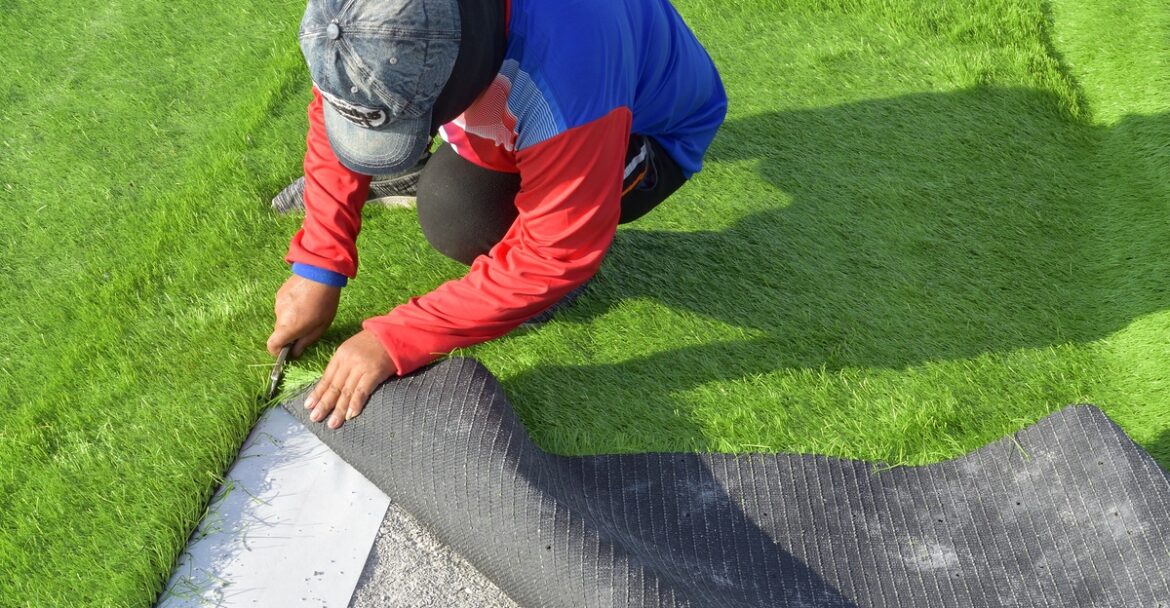
Many people assume artificial grass will last forever. Unfortunately, as strong as modern turf is, it does wear down over time due to foot traffic, sunlight, pet use, weather, and age. It’ll typically be a decade or two before you need to replace fresh turf. If you’ve been thinking about switching to synthetic grass, or you already have turf laid down and you’re curious how you’ll know when the surface has reached the end of its service life, let JUS Turf run you through the basics. Here are the major signs it’s time to replace your artificial turf and start fresh.
Your Turf Looks Flat No Matter What You Do
Artificial grass blades should bounce back after normal use, especially after brushing. When the blades stay pressed down, the fibers have lost their structure. This happens first in the spots people use every day. Once the fibers stop standing upright, the lawn looks older even after cleaning. Brushing may help for a short time, but it won’t rebuild worn-out turf fibers.
Your Lawn Has Lost Its Original Color
A healthy artificial lawn should keep a rich, even color for years. Older turf can fade after long-term sun exposure, especially if the original product didn’t have strong UV protection. The surface may start looking pale or patchy.
Color loss means the fibers have aged at the material level. Cleaning can remove dirt, dust, and buildup, but it can’t restore pigment that has broken down. If the faded areas cover large sections of the lawn, new turf can bring back the fuller, greener look people expect from artificial grass.
You’re Seeing Tears in the Surface
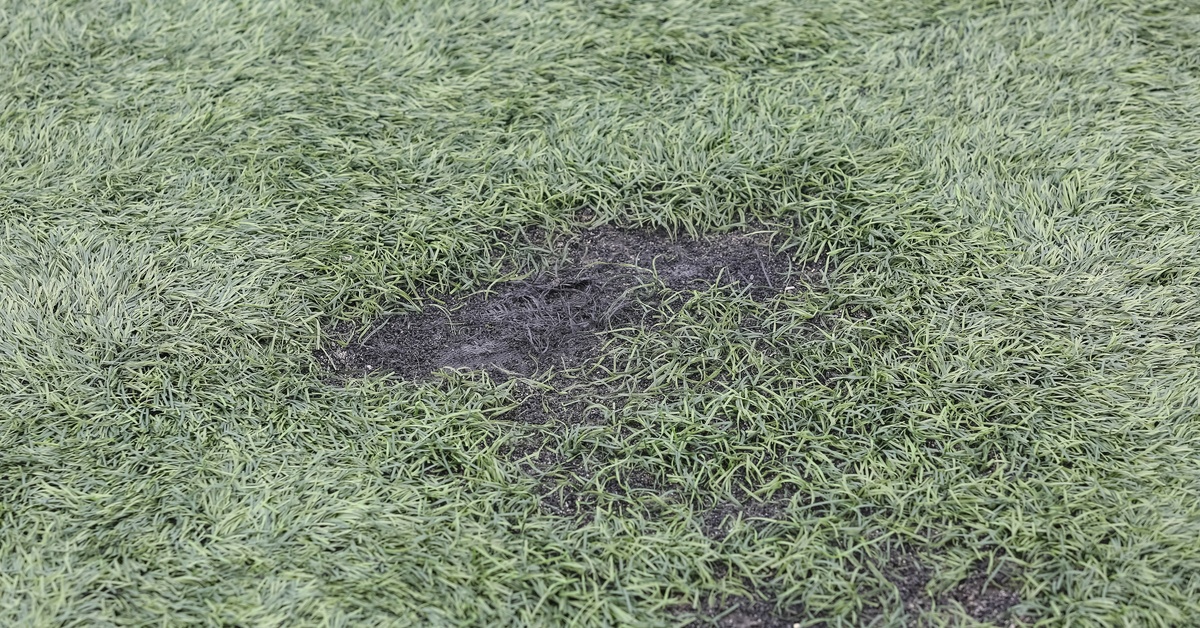 A small tear may not seem like a major problem at first. If the rest of the turf is still intact, a turf professional can repair a single damaged spot. Multiple tears point to a bigger issue.
Torn turf can spread as people walk across it. The damaged area can also collect dirt and pull away from the base underneath. This creates uneven spots and makes an outdoor area harder to keep neat. Once tears keep showing up in different areas, the turf has moved past simple patch repairs.
The Seams Are Starting to Pull Apart
Seams should blend into the lawn and hold each turf section in place. When a seam opens, the surface starts looking uneven. You may see gaps, raised edges, or lines where the turf sections no longer meet correctly.
Separated seams can create tripping risks and allow debris to settle beneath the turf. They can also spread as the surface shifts during regular use. If seam repairs fail or new gaps keep forming, the adhesive, backing, or original installation has lost the strength needed to hold the lawn together.
Many installers put seams together with just nails or use stretchy rubber tape made for window flashing. Synthetic grass expands and contracts with the sun’s heat. Quality seams should be put together with a high viscosity urethane adhesive in conjunction with waterproof seam tape. This technique will avoid any expansion/contraction and keep it together for the life of the turf.
Rainwater Isn’t Draining Like It Should
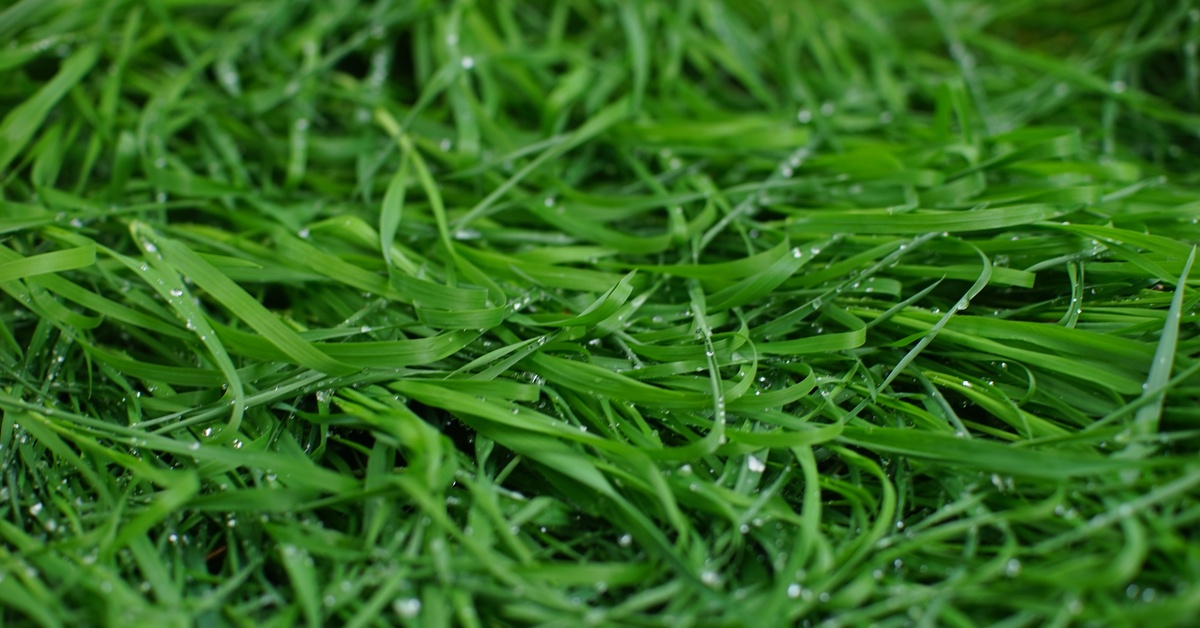 Nobody wants puddles hanging around after rain. Artificial grass should let water pass through the turf backing and into the prepared base below. Standing water means the system isn’t draining properly.
Poor drainage can come from clogged backing, compacted base material, or older turf that no longer moves water through the surface. This issue can lead to damp areas and unpleasant odors. If rinsing and surface cleaning don’t improve drainage, replacement gives the installer a way to correct the turf and the base beneath it.
The Edges Keep Curling Up
Loose edges make artificial turf look unfinished, but the problem doesn’t stop there. The border helps hold the turf in place where the surface meets surrounding hardscape or landscape areas. Once the edges curl, the turf can shift more easily and the lifted sections can catch on shoes or yard tools.
Curling can come from old adhesive, weakened backing, or long-term heat exposure. A single loose corner may need a repair. Several lifting edges mean the turf no longer holds its shape. At that point, replacement gives the lawn a cleaner border and a more secure surface.
The Infill Feels Compacted
Infill does a lot of the behind-the-scenes work in an artificial lawn. It supports the blades, gives the surface some cushion, and helps the turf hold up under regular use. When infill breaks down or gets packed too tightly, the lawn can feel hard underfoot.
You may also notice low areas where the blades no longer stand up properly. Adding fresh infill can help newer turf, but older grass may not respond because the fibers and backing have already worn down. If brushing and infill service don’t improve the surface, the turf itself needs replacement.
The Backing Has Become Brittle
The backing holds the whole turf system together. Since it sits beneath the blades, damage may stay hidden until the lawn starts shifting, shedding, or cracking. Once backing breaks down, the turf loses its structure from underneath.
Brittle backing can cause loose fibers and weak sections across the surface. Cleaning won’t fix this kind of damage because the problem comes from the material itself. When the backing starts to crumble, replacement is the responsible fix. A new turf surface needs a solid foundation to stay secure and attractive.
The Turf No Longer Fits the Property
Sometimes the turf hasn’t completely fallen apart, but it no longer fits the way the property gets used. A yard with heavier pet activity may need a different surface. A business may need a fresher look for customers. An older installation may also clash with newer outdoor upgrades.
Artificial grass has improved over the years. Newer products can offer stronger backing, better drainage, and a more natural appearance. If the current lawn no longer supports daily use, replacement can improve the space before the surface fully breaks down.
Knowing When to Start Fresh
It’s a common misconception that artificial grass lasts forever. This isn’t true. It does require occasional replacement. The good news is that the lifespan of quality artificial turf is long. On average, property owners only have to replace it every 15 to 25 years.
If you’ve been considering turf for your residential or commercial outdoor space, or you need to replace existing artificial grass because it’s starting to show signs of wear, come shop at JUS Turf online or at one of the San Diego showrooms. JUS Turf is an artificial grass wholesaler with high-quality, US-made turf for sale. Our team can help you select the right surface based on your property’s daily use, so your landscape gets the fresh start it needs.