You’ve decided you want to install artificial turf on your property. The question is, should you handle the installation yourself? Or would hiring someone with experience be the better option?
Both options have their advantages, but the installation process involves more work than simply laying turf over the ground. Your budget and experience will influence which route you take.
To help you decide between DIY vs. hiring a professional for artificial turf installation, we’ll break down the benefits and drawbacks of each option. You’ll have a better understanding of what each involves before committing to your project.
DIY Artificial Turf Installation
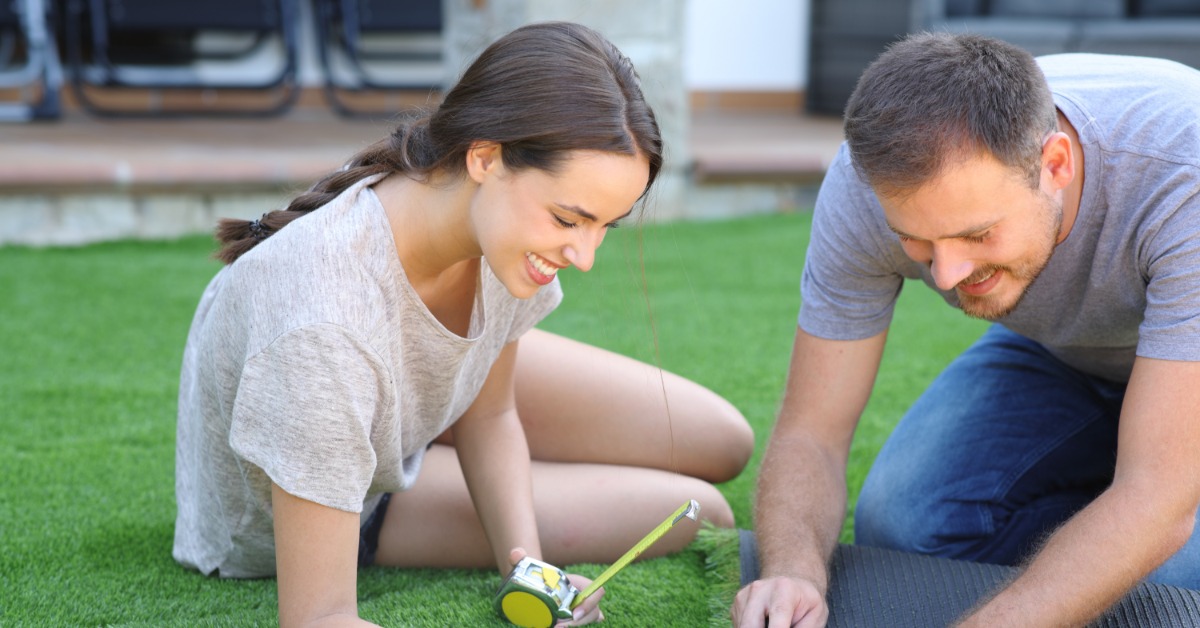 Installing artificial turf yourself gives you direct control over the project. You’ll handle the preparation work and complete the installation without paying a contractor for labor.
However, successful installation requires more than basic landscaping knowledge. You’ll need to understand how to prepare the ground and secure the turf properly so the finished surface performs as intended.
Pros of DIY Installation
For someone comfortable with outdoor improvement projects, DIY installation offers several advantages. The biggest benefits involve expenses and personal control over the work.
- Lower labor expenses: Professional installation includes labor charges that increase the total project cost. Doing the work yourself eliminates those charges, leaving more room in your budget for quality turf. However, you’ll still need to purchase the necessary installation materials and account for equipment rental expenses.
- Control over your schedule: When you install turf yourself, you decide when to complete each stage of the project. You won’t have to coordinate your availability with an installation crew. This flexibility is appealing if you prefer working on home improvements during weekends and don’t have a deadline.
- Freedom to manage the installation: DIY allows you to oversee every part of the work without relying on someone else’s decisions. For example, you can spend extra time preparing an uneven section of the yard before moving forward. This involvement appeals to people who enjoy completing their own landscaping improvements.
Cons of DIY Installation
Although DIY installation reduces labor expenses, it places responsibility for the finished result on you. Without previous turf installation experience, certain parts of the process present challenges.
- Demanding ground preparation: Artificial turf needs a properly compacted base beneath it. You’ll have to excavate the installation area to the required depth before adding and compacting the base material. If the ground underneath isn’t prepared correctly, the finished turf may develop uneven areas that require repairs.
- Specialized installation techniques: Joining separate turf sections requires seam tape and an appropriate adhesive to create secure connections. Improper seam placement leaves visible lines or gaps between sections. You’ll need patience and precision because correcting poorly joined turf after installation involves additional labor.
- Greater time commitment: Even a relatively small installation involves substantial physical work. Removing existing grass takes time, and preparing the base adds several more hours to the project. Without professional equipment or assistance, the installation may occupy multiple weekends instead of a single workday.
- Responsibility for installation errors: Mistakes during installation can affect the turf’s long-term performance. For instance, inadequate drainage preparation allows water to collect beneath the surface. Correcting that problem after installation may require lifting the turf and rebuilding portions of the base, adding expenses you originally hoped to avoid.
Professional Artificial Turf Installation
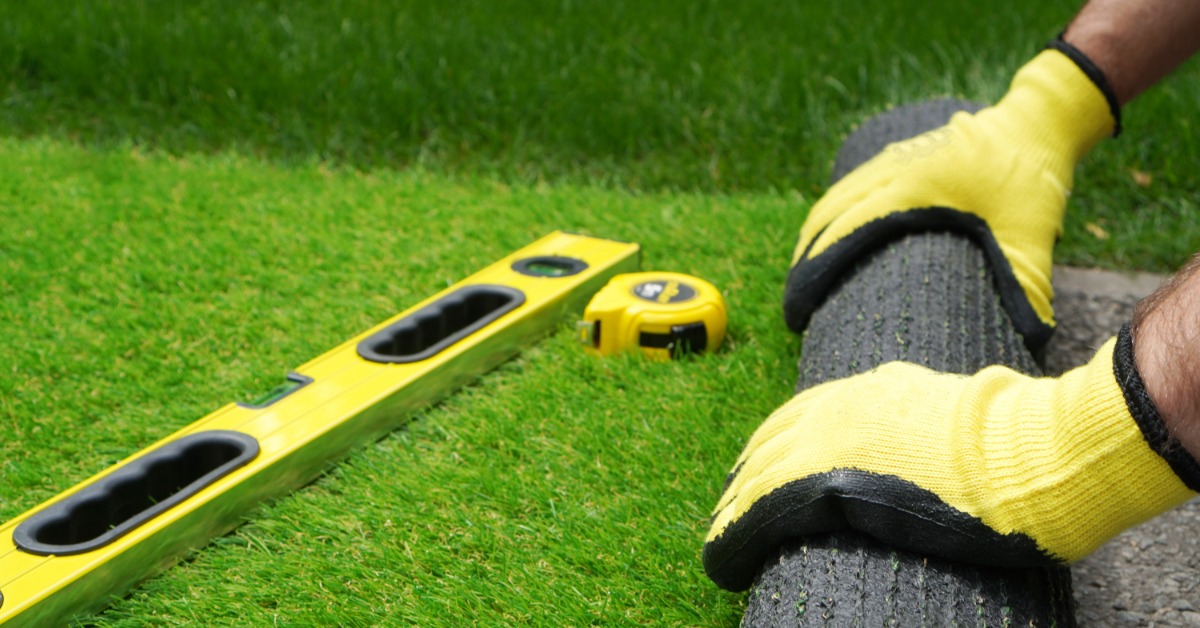 Hiring a professional transfers the physical installation work to an experienced crew. Instead of learning the installation process yourself, you’ll pay specialists who already understand the equipment and techniques involved.
Professional installers also have experience identifying site conditions that influence how turf should be installed. Their knowledge becomes especially beneficial when a property requires extensive preparation before the artificial grass goes down.
Pros of Professional Installation
Professional installation costs more upfront, but the additional expense comes with advantages that extend beyond convenience. Experienced installers understand how individual stages of the project affect the finished surface.
- Experience with base preparation: Professional crews know how to establish the appropriate foundation for artificial turf. They understand how compaction affects the ground beneath the installation and can identify areas requiring extra preparation. Proper base construction reduces the potential for uneven surfaces developing after the work is complete.
- Access to installation equipment: Contractors already have the tools required for artificial turf installation. A plate compactor, for example, allows them to compress the base material evenly across the installation area. You won’t have to purchase specialized equipment or arrange rentals for machinery you may never use again.
- Efficient project completion: An experienced crew follows an established installation process and divides the physical work among its members. This allows contractors to complete projects in less time than someone working independently. Professional installation becomes especially appealing when you need the space ready for an upcoming event.
- Consistent installation quality: Professionals understand how to position turf sections so the grass fibers face the same direction. They also know how to create secure seams that won’t separate during normal use. Their experience reduces the risk of visible installation errors that affect the finished appearance.
Cons of Professional Installation
Professional services aren’t automatically the right choice for every project. Before hiring an installer, you’ll want to understand the expenses and limitations involved.
- Higher initial investment: Labor charges account for a substantial portion of professional installation costs. The final price depends partly on how much preparation the property requires. For homeowners working within a limited budget, these additional expenses may put professional installation beyond what they’re comfortable spending.
- Less control over timing: Professional installation requires coordinating with a contractor’s availability. During busy periods, you may need to schedule your project several weeks ahead. If you’re eager to begin immediately, waiting for an available installation date may be frustrating.
- Dependence on contractor quality: Not every installation company provides the same workmanship. An inexperienced crew can make many of the same mistakes as someone attempting DIY installation. Reviewing previous projects and discussing installation methods beforehand gives you a better understanding of the contractor’s experience.
Which Artificial Turf Installation Option Is Better?
Should you DIY or hire a professional to install artificial turf? If you have installation experience and a relatively simple project, DIY offers an opportunity to save money.
However, most property owners will benefit from professional installation because of the specialized knowledge required. Proper preparation and installation techniques contribute to an attractive surface that performs reliably over time.
At JUS Turf, we make artificial grass installation as convenient as possible. We sell synthetic grass in San Diego directly from our local warehouse. Bring your project measurements, and our team will guide you through selecting suitable turf for your property. If you’re tackling the installation yourself, we’ll provide expert advice and training with your purchase, including trade techniques for cutting, seaming, and stretching artificial grass. If you’d rather leave the installation to a professional, we work with trusted subcontractors who can handle the job for you.