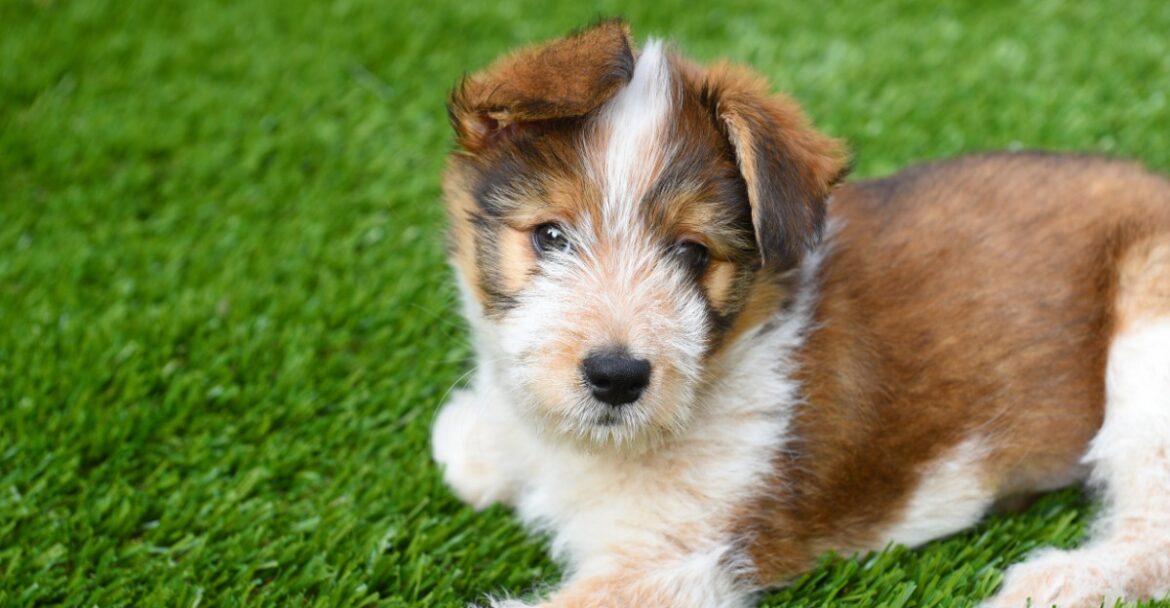
Need turf for a residential or commercial project, but aren’t sure if you need pet turf or if regular turf will do? You may think there isn’t much separating the two at first. Both give you an artificial grass surface without the mowing and watering that natural grass requires. Pet turf, however, is made with animal use in mind.
Understanding pet turf vs. regular turf gives you a better idea of which product belongs on your property. Here are some of the key differences to consider before you make your selection.
Drainage Is Built Differently
Pet turf is engineered with drainage as a top priority. The backing on pet turf typically includes perforated holes spaced at a higher frequency than standard turf, so liquid passes through quickly instead of pooling on the surface.
Regular turf has drainage too, and it can still be pet friendly when paired with BRZ Zeolite to help absorb and neutralize pet urine. For areas with occasional pet use, that setup may be enough. If pets relieve themselves in the same area every day, pet turf offers more drainage capacity to handle the repeated liquid.
The Infill Material Differs
Infill is the material packed between the turf blades. On regular turf, crumb rubber or silica sand are common choices. They’re there to support the blades and add cushion underfoot.
Pet turf uses infill that’s specifically designed to neutralize odors. At JUS Turf, we sell BRZ Pet Odor Infill, which uses natural zeolite to absorb ammonia from pet urine and control odor. Without the right infill, the turf can hold odor even when drainage performs well. If you’re comparing a pet turf product to a standard one, check the infill spec because that’s one area where the two types differ.
Blade Density and Height Are Calibrated for Pets
The pile height on turf, meaning how tall the blades are, affects how the surface performs under use. Regular turf is available in a range of pile heights based on aesthetics and intended use, like mimicking a freshly cut lawn or a low-maintenance commercial landscape.
Pet turf leans toward shorter, denser pile configurations. Shorter blades are easier to rinse clean, and denser construction means pets can run and dig without displacing the blades as quickly. If the pile is too tall or too sparse, it traps debris and takes longer to dry out between uses.
Pet Turf Avoids Nylon Fibers
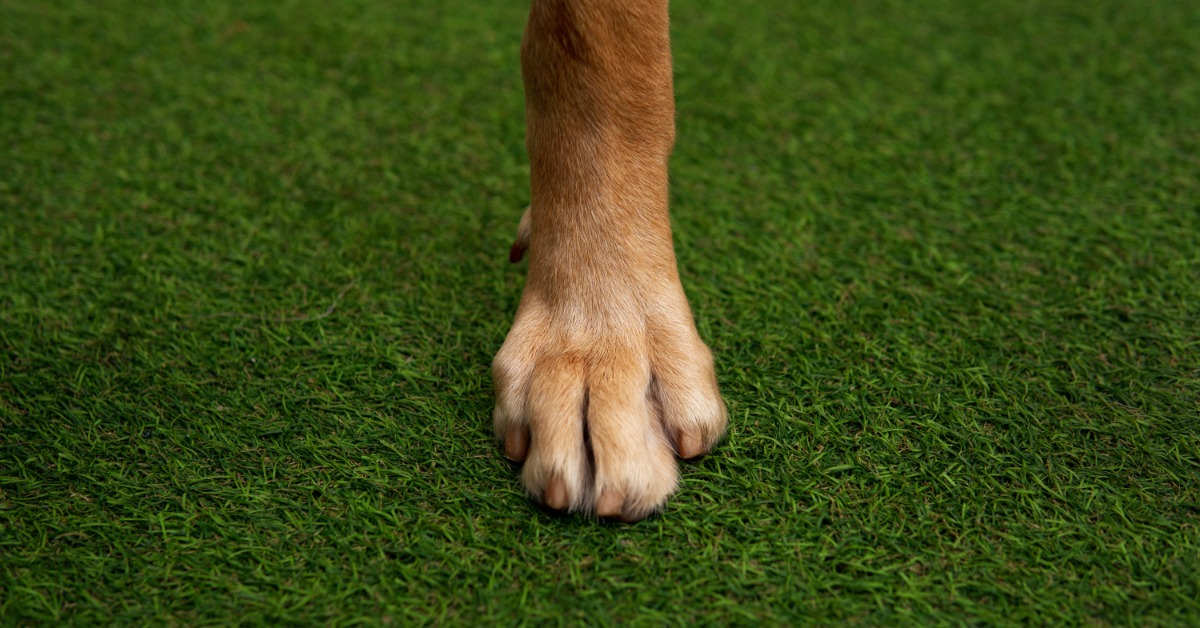 Pet turf is made for animals to spend time on, so both fiber texture and material are important. Polyethylene and polypropylene fibers are better choices for pet areas because they don’t absorb urine the way nylon yarn can.
Pet turf may also use softer fibers that are gentler under paws. Standard landscape turf can use stiffer blades to maintain a certain lawn appearance, while softer pet turf creates a less abrasive surface for pets that walk, play, or rest on it throughout the day.
Pet Turf May Use a Different Thatch Layer
The thatch layer sits beneath the main turf blades and adds body to the surface. On regular turf, thatch is often chosen to support a fuller lawn appearance.
Pet turf can use a thatch layer with a more open construction so debris is less likely to get trapped deep between the fibers. That makes the surface easier to rinse after pet use and reduces the amount of material that can collect around the base of the blades.
The Backing Material Is Different
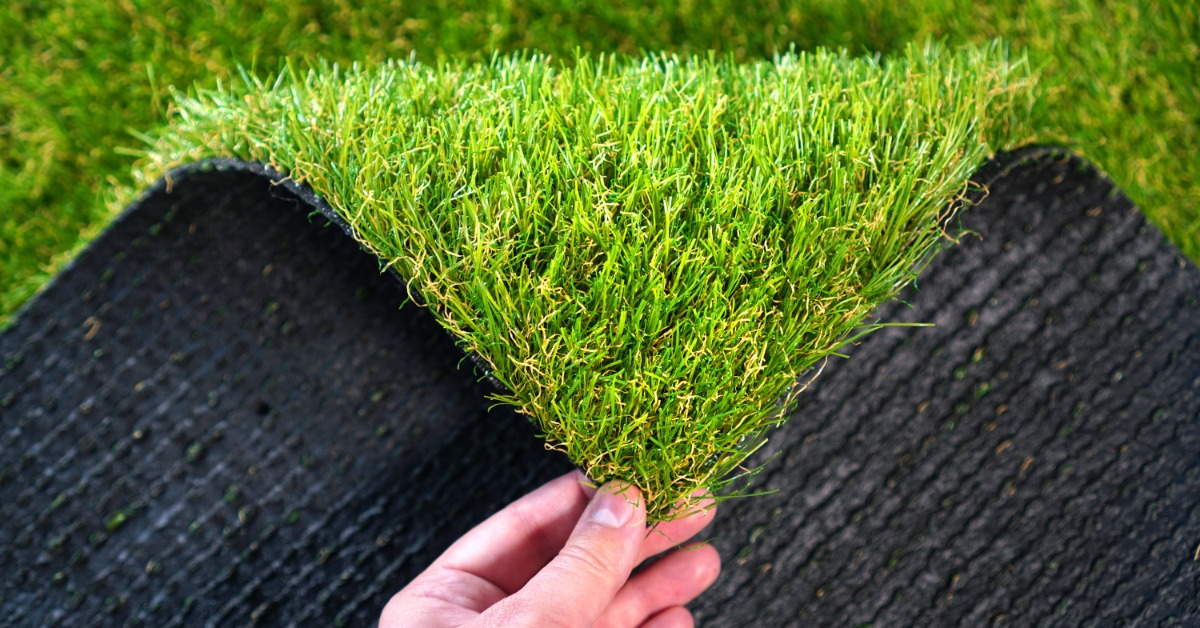 Regular turf may use a urethane backing, which can trap urine and hold moisture in pet areas. Over time, that repeated exposure can break down the backing and contribute to odor problems.
Pet turf uses polyethylene backing instead. Polyethylene handles wet conditions better because urine can move through the system rather than sitting in the backing. That makes it better suited for areas where pets regularly relieve themselves.
Antimicrobial Treatment in the Turf Itself
Some pet turf products include antimicrobial treatment applied directly to the fibers, not just in the infill. This slows bacterial growth on the surface of the blades themselves, which is where odor can develop between cleanings.
Regular turf doesn’t include this treatment because it isn’t necessary for typical landscape use. If you’re installing turf in a dog run, a kennel, a veterinary facility, or any high-use pet area, antimicrobial fiber treatment is something to ask about specifically.
Installation Requirements Can Vary
Regular turf installation typically involves base compaction, a weed barrier, and infill. The process is relatively standard across most landscape applications.
Pet turf installation usually requires a thicker crushed aggregate base to support faster drainage, along with a more specific infill application. If the base isn’t prepped correctly, even the best pet turf won’t drain the way it’s supposed to. Some contractors who work primarily with landscape turf may not be familiar with those additional base requirements, so it’s worth confirming experience with pet-specific installs before you hire.
Cost Differences
Pet turf costs more than comparable regular turf. The reinforced backing, antimicrobial infill, perforated drainage, and denser pile construction all add to the material cost.
For most pet areas, that cost difference is the better decision in the long run. A regular turf product installed in a heavy-use pet area will need to be replaced sooner and may create ongoing odor and drainage problems that are expensive to fix without pulling up the whole installation.
There’s No One-Size Solution
Pet turf comes in different configurations depending on the specific use. A residential backyard with one dog has different requirements than a commercial dog boarding facility or a veterinary clinic with outdoor runs.
When you’re selecting a product, the number of animals, the size of the area, and how the space is used daily all factor into which turf specification is the right fit.
The Right Turf for Your Project
There are several differences between pet turf and regular turf. The type of turf you need depends on factors like how many animals will use the space, the size of the installation area, and whether the project is residential or commercial.
JUS Turf sells pet-friendly turf in San Diego. If you need durable, pet-rated turf for your project, take your measurements and bring them to our showroom. Our team will walk you through the available products and help you select the specification that fits your space, your use case, and your budget.