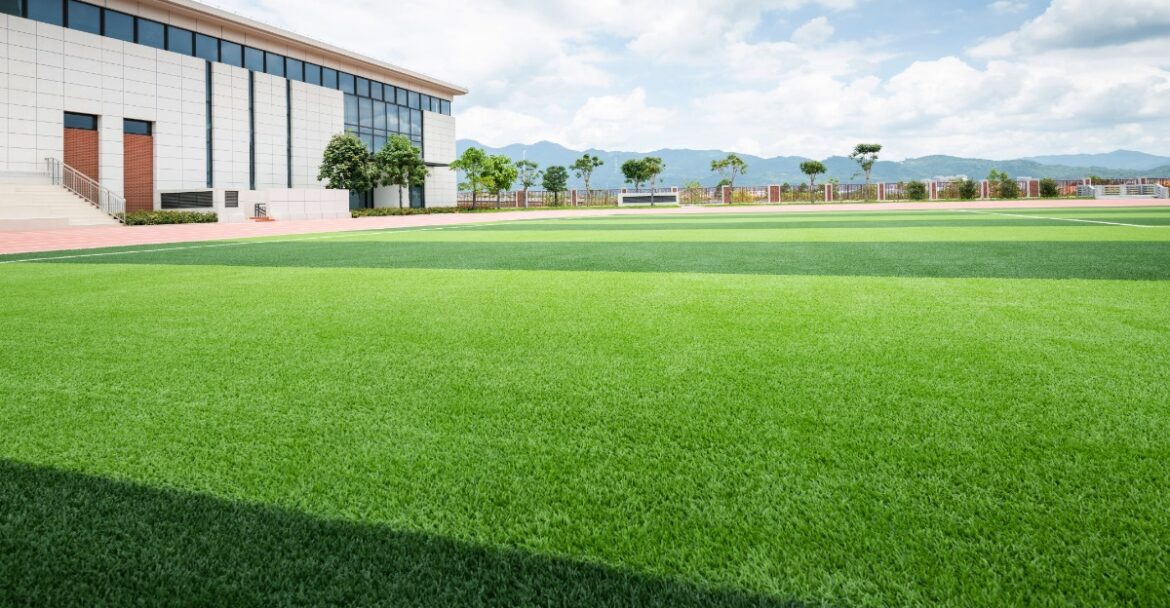
School grounds get a lot of use throughout the academic year, and natural grass doesn’t always hold up to the demands. Worn patches and constant upkeep can leave schools spending more time and money on lawn maintenance than they’d prefer.
Switching to artificial turf gives schools an alternative that doesn’t need the same level of care as natural grass. Whether you’re dealing with worn-out lawns or planning improvements to your campus, it’s worth looking at what artificial turf brings to school grounds.
Less Time Spent on Lawn Maintenance
Maintaining natural grass around a school takes careful scheduling, since groundskeepers need to complete their work without interfering with students. Mowing large areas can take several hours, and crews may have limited opportunities to finish the job during the school day.
Artificial turf cuts down on these demands by removing the need for mowing altogether. It also eliminates seasonal tasks such as aerating the soil and reseeding damaged grass.
Although synthetic turf still needs periodic cleaning and grooming, schools can spend less time coordinating lawn care around classes and student schedules.
Lower Water Bills
Keeping large areas of natural grass healthy requires regular irrigation, particularly during hot summer months. For schools with extensive grounds, that water consumption can add up throughout the growing season.
Artificial turf doesn’t need watering to maintain its green appearance. Schools can eliminate routine lawn irrigation, cutting water consumption and the expenses associated with it.
Occasional cleaning and surface cooling still require water, but the overall demand is much lower than maintaining natural grass. In regions with seasonal watering restrictions, schools can conserve water without worrying about their lawns turning brown during dry weather.
Fewer Muddy Areas After Rain
Natural grass can become muddy when heavy rainfall saturates the soil. Depending on drainage conditions, it can take days for the ground to dry enough for regular use.
Artificial turf prevents muddy conditions by allowing rainwater to pass through its permeable backing into a drainage base underneath. This keeps water from collecting on the surface and turning the ground into mud.
With proper installation, schools won’t have to worry about outdoor areas becoming unusable every time heavy rain falls. Students and staff can return to these spaces sooner without waiting days for the ground to dry.
No Waiting for Grass to Regrow
When heavy foot traffic damages natural grass, schools may need to reseed the affected areas. New grass takes several weeks to establish, during which schools must limit access to prevent further damage.
Artificial turf withstands frequent foot traffic without developing the bare patches that require reseeding. Its synthetic fibers don’t rely on living roots, so repeated use won’t damage the surface the same way it damages natural grass.
Schools won’t have to close off sections of their grounds for lawn restoration or wait for new grass to grow. Outdoor spaces can remain available throughout the school year without interruptions for reseeding.
Better Cushioning for Playground Areas
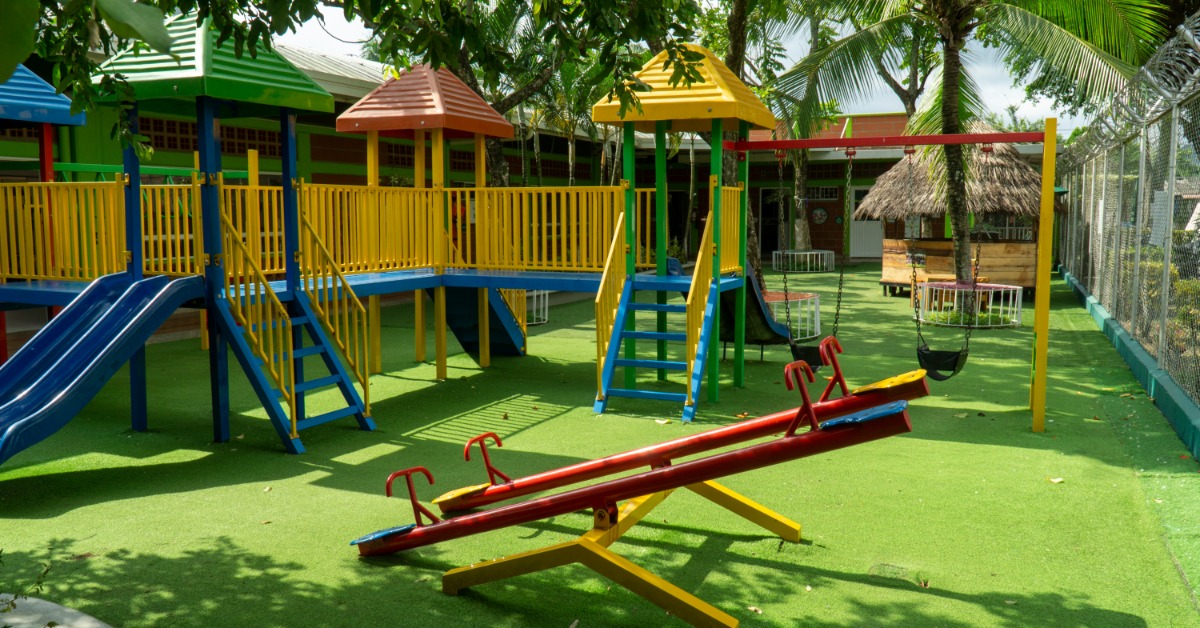
Falls are a normal occurrence during recess, which makes the surface beneath playground equipment an important safety concern. Schools need materials that provide adequate impact protection at the heights children may fall from.
Artificial turf playground systems can incorporate specialized shock-absorbing padding underneath the synthetic grass. When properly designed and tested for the equipment’s fall height, these systems provide cushioning that meets applicable playground safety requirements.
The padding also creates a continuous surface across designated play areas. Schools can choose a system that meets their playground’s safety needs while giving children a designated space for active play.
Fewer Lawn Chemical Applications
Maintaining natural grass sometimes requires fertilizers to encourage growth and herbicides to control weeds. Schools must carefully schedule these treatments to avoid exposing students to recently treated areas.
Artificial turf doesn’t need fertilizers or routine weed treatments to maintain its appearance. Replacing natural grass eliminates many of these chemical applications and the restrictions that come with them.
Schools can maintain their outdoor grounds with fewer chemical treatments throughout the year. This reduces the need to coordinate lawn applications around school hours and gives students more consistent access to outdoor spaces.
Green School Grounds Throughout the Year
A school’s outdoor appearance contributes to the impression visitors get when they arrive. Patchy grass and worn areas can detract from otherwise well-maintained facilities, even when maintenance crews work hard to keep everything looking presentable.
Artificial turf maintains a green appearance throughout the year without depending on seasonal growth. Its consistent color gives school grounds a tidy appearance during periods when natural grass turns brown or enters dormancy.
Schools can maintain attractive outdoor spaces across changing seasons without investing in repeated lawn restoration. The result is a campus that looks cared for throughout the academic calendar.
Permanent Markings for Physical Education
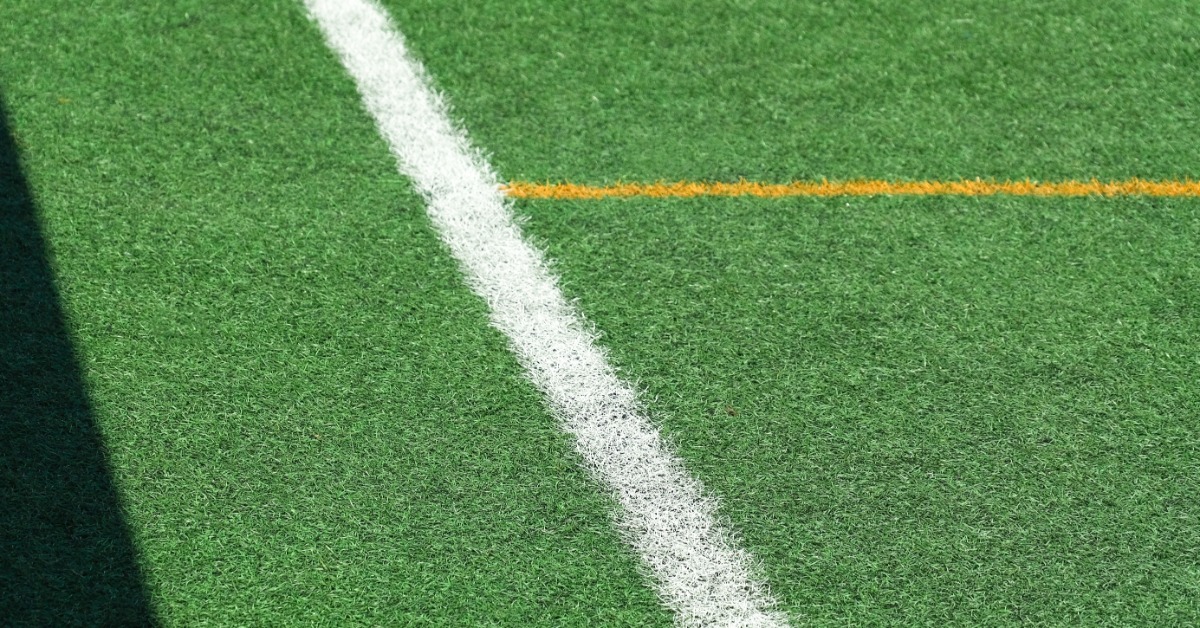
Physical education teachers regularly organize games that require designated playing areas. On natural grass, temporary field markings need periodic repainting because mowing and weather gradually wear them away.
Artificial turf allows schools to incorporate permanent lines into the surface during installation.
Schools can select markings based on the sports included in their physical education programs. With court boundaries or field lines already in place, teachers can spend less class time preparing playing areas before students begin.
More Flexibility for School Events
School grounds aren’t limited to recess and physical education. Outdoor assemblies and special events also require space, and natural grass sometimes needs protection from concentrated foot traffic during these gatherings.
Artificial turf accommodates frequent use without the same concerns about trampling living vegetation. Schools can host events on designated turf areas without worrying about attendees wearing down the grass.
This flexibility is valuable when a school has limited outdoor space available. An area used for recess during the week can accommodate other school functions without requiring extensive lawn repairs afterward.
Less Exposure to Grass Pollen
Seasonal allergies can make outdoor time uncomfortable for students who react to grass pollen. During its flowering period, natural grass releases pollen into the air, which can trigger sneezing and itchy eyes.
Artificial turf doesn’t produce pollen, so replacing natural lawns removes one potential allergy trigger from school grounds. Although surrounding plants still release allergens, schools can eliminate the pollen produced by grass in their outdoor areas.
This gives students with grass pollen allergies one less source of exposure while spending time outside.
Give Your School Grounds an Upgrade
Switching your school to artificial turf can cut down on maintenance while keeping outdoor spaces in good condition throughout the year. Your school can spend less time caring for natural grass and more time making use of its grounds.
At JUS Turf, we carry high-quality playground turf and other synthetic grass options for school grounds. Visit our warehouses in San Diego, CA, or Dalton, GA, to see our turf selection in person and speak with our team about your project. We’ll help you choose the right materials and provide a quote based on your needs.