If you’ve been debating between real and artificial grass for your outdoor space, it helps to know what you’ll gain and what you’ll have to compromise on. Here are the differences between real and artificial grass you should weigh before having your existing lawn removed.
Seasonal Appearance
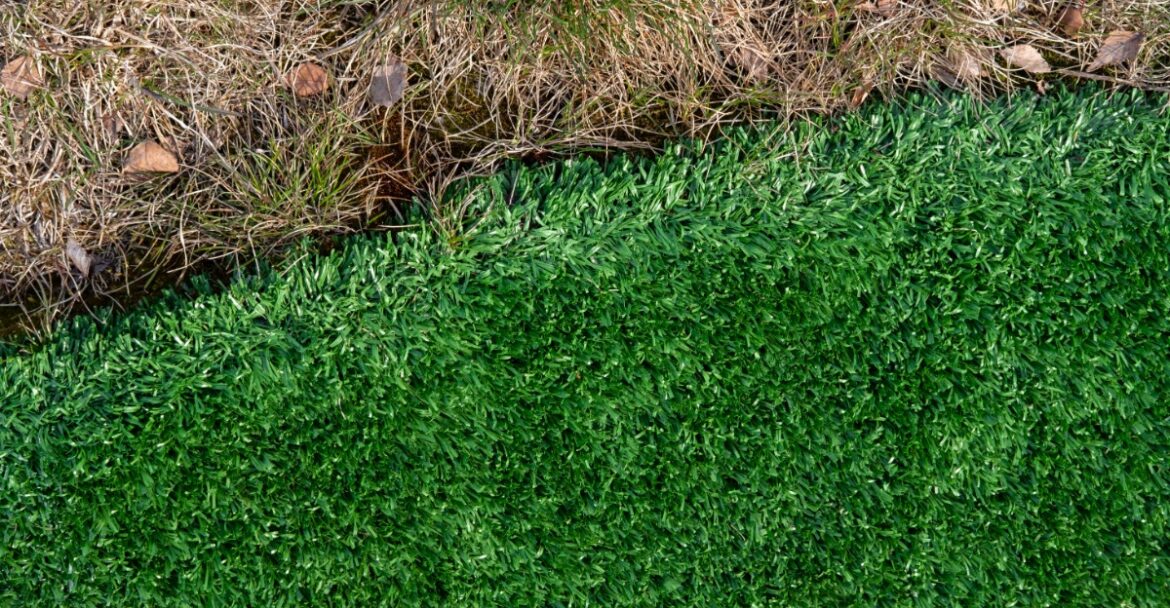
Real grass changes color as growing conditions change throughout the year. Some varieties turn brown during winter dormancy even when their roots remain healthy.
Artificial grass retains its manufactured color through those seasonal changes. However, individual products vary in how closely they resemble a natural lawn. Mixed blade colors and a brown thatch layer create variation within the surface, so it’s helpful to examine a sample outdoors before choosing a full roll.
Water Requirements
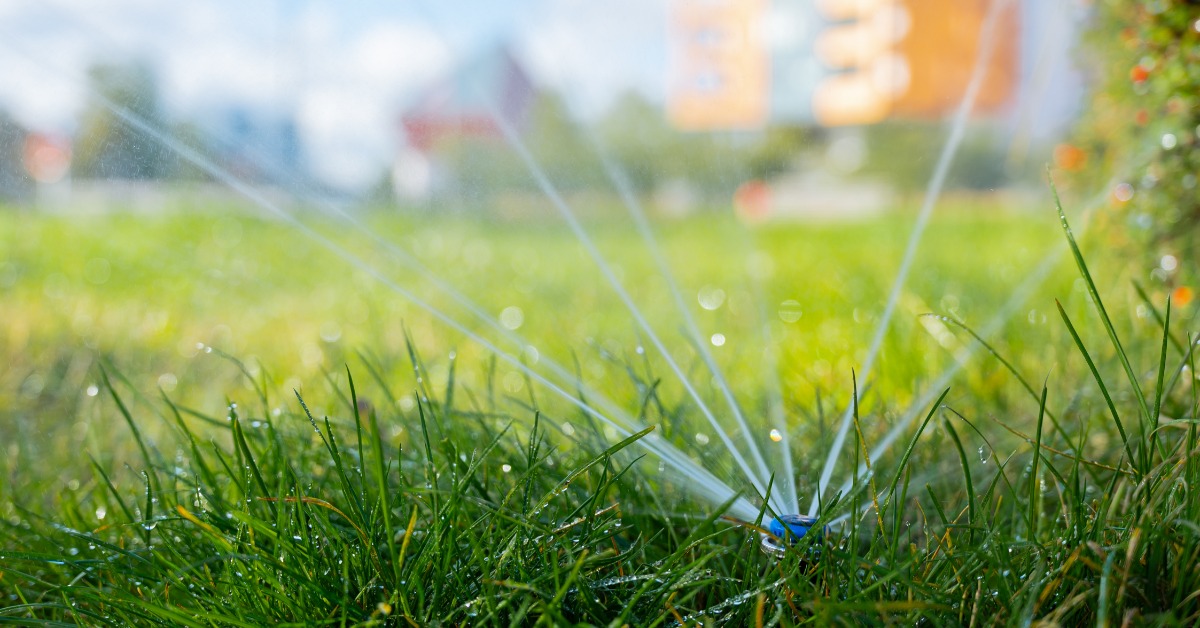 Natural grass needs regular water to stay green and healthy. Rainfall may provide enough during wetter months, but dry weather requires supplemental watering. The amount depends on the grass variety and your climate, with newly planted lawns needing more frequent watering until their roots develop.
Artificial grass uses less water because it doesn’t need irrigation. It still needs occasional rinsing to wash away dirt, and pet areas need more frequent rinsing to remove urine residue. Even with that cleaning, water use is lower than for a natural lawn that requires regular irrigation.
Mowing Requirements
Natural grass needs mowing throughout its active growing season. Cutting too much of the blade at once stresses the plant, so an overgrown lawn may require several cuts to return to its intended height. Growth also speeds up or slows down with changing conditions.
Artificial grass stays at its manufactured blade length. Instead of mowing, you’ll need to brush areas where the fibers flatten from use. The brushing frequency depends on traffic and the product, with heavily traveled sections needing more attention than turf along an unused border.
Sunlight Needs
Natural grass needs sunlight to grow, and too much shade can leave a lawn thin or patchy. Some varieties tolerate less sun than others, but even shade-tolerant grass needs several hours of light each day. Beneath a dense tree canopy, there may not be enough light to sustain healthy growth.
Artificial grass doesn’t need sunlight, so it stays green in shaded areas. It provides consistent coverage beside buildings or beneath trees where natural grass struggles.
Drainage
A natural lawn drains according to the soil beneath it. Compaction reduces the spaces through which water moves, leaving puddles even where the grass looks healthy. Correcting drainage may require soil improvement or changes to the surrounding grade.
With artificial grass, drainage depends on the backing and the installed base. Water must pass through both before reaching a suitable outlet or infiltrating the ground below. A permeable product won’t compensate for a poorly prepared site, so drainage planning needs to happen before the installer lays the turf.
Recovery From Wear
Repeated traffic wears down natural grass and compresses the soil beneath it. A shortcut across the lawn can become bare even when the surrounding grass grows densely. Depending on the variety, recovery involves spreading growth or reseeding, followed by time without heavy use.
Artificial grass tolerates repeated use without losing living plant coverage. However, the fibers flatten and eventually wear, especially where people repeatedly turn or drag furniture. Brushing restores the position of flattened blades, but damaged material requires repair or replacement.
Cleaning
Both types of grass need cleaning, but artificial turf needs more washing. On a natural lawn, routine cleanup involves removing debris such as fallen leaves. A light scattering can be mulched during mowing, while a thick covering needs raking so it doesn’t smother the grass.
Artificial grass needs sweeping or blowing to remove leaves before they break down between the blades. Dust and dirt also need occasional rinsing, especially during dry weather. In pet areas, picking up solid waste and rinsing urine from the turf reduces odors, with a turf-compatible cleaner for residue that water alone won’t remove.
 Weed Growth
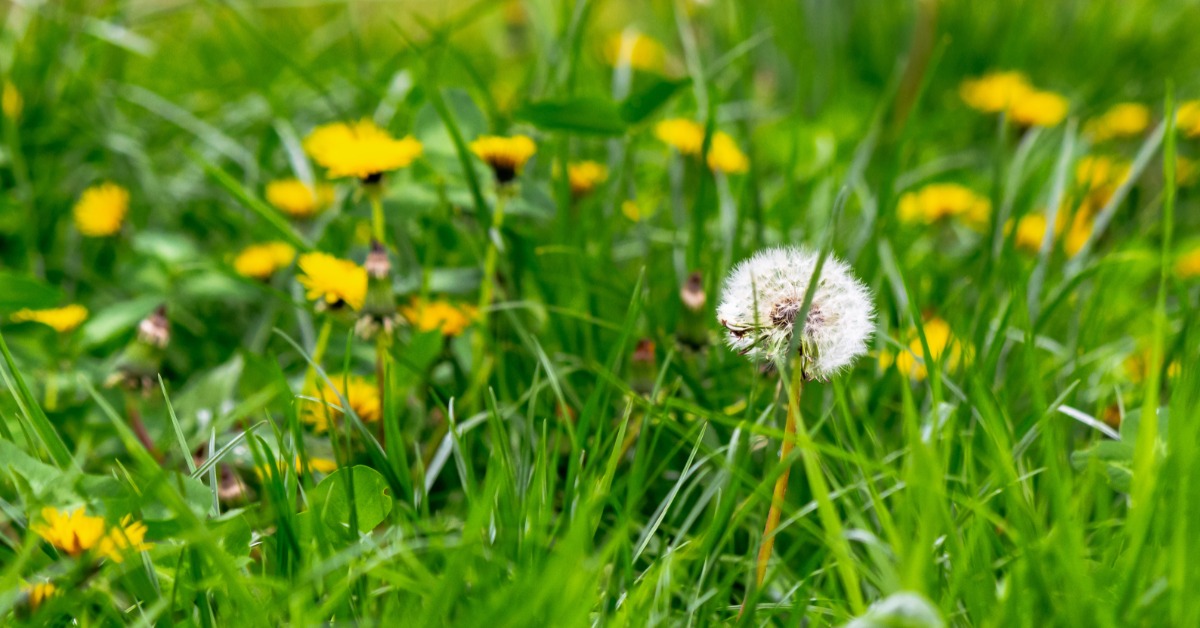
Neither type of lawn is completely weed-free, but natural grass requires more ongoing weed control. Weeds compete with the grass for water and nutrients, especially where the lawn has thinned. Removing them and restoring grass coverage reduces the space where new weeds can grow.
Artificial grass blocks much of the weed growth from the soil beneath it. However, windblown seeds can sprout in dirt and decomposing leaves that collect between the blades. Regular cleaning removes that material before weeds take root, although occasional weeds may still need pulling around the edges.
Installation
Installing a natural lawn starts with preparing the soil before spreading seed or laying sod. Seed needs time to sprout and grow thick enough for regular use. Sod provides grass immediately, but foot traffic needs to stay limited until the roots establish.
Artificial grass installation starts with removing the existing lawn and preparing a compacted base. Installers then lay the turf and join the sections before securing the edges. The area is ready for use once installation is complete.
Cost
Real grass typically costs less to install than artificial turf, especially if you start with seed. Over time, though, you’ll keep paying for watering and maintenance. Those ongoing expenses add up, particularly if you pay for professional lawn care.
Artificial grass requires a larger upfront investment for the turf and installation. However, you’ll spend less on routine upkeep because it doesn’t need mowing or regular irrigation. Those savings can offset the installation cost over time, although the amount depends on what you’d otherwise spend maintaining a natural lawn.
Choose What You Want for Your Yard
Understanding the differences between real and artificial grass makes it easier to determine which better suits your outdoor space. Your preference may come down to appearance or how much maintenance you’re willing to take on. Neither choice is right for every property.
If you decide artificial grass is right for yours, JUS Turf has wholesale artificial grass available at our warehouse in San Diego. Measure your space and pay us a visit. Our staff will help you compare turf options for your project.
We can take samples outside so you can see how they look in daylight. We even offer DIY installation tips or guidance on finding professional installers for your project.