Building a dog park? There’s a lot to consider for a space that actually works. What’s the budget? What does the layout look like? What amenities do the dogs and their owners actually need? But ahead of all these questions, one of the first you’ll need to solve is, “Do we use natural grass or artificial grass?”
Natural grass has its perks, like that soft-underfoot texture and a lower upfront cost, but for a dog park, artificial turf wins out in practically every department. Let’s talk about why synthetic grass could be the right decision for the space you have planned.
No More Mud After Rain
Natural grass and heavy foot traffic are a rough combination, and dogs don’t exactly go easy on a lawn. After a rain shower, you’re looking at muddy paws, muddy dogs, and muddy everything else.
Artificial turf has a permeable backing that lets water drain straight through instead of pooling on the surface. The turf stays functional even after a downpour, and the dogs using the park don’t track a mess onto every surface around them.
The Surface Holds Up to Heavy Use
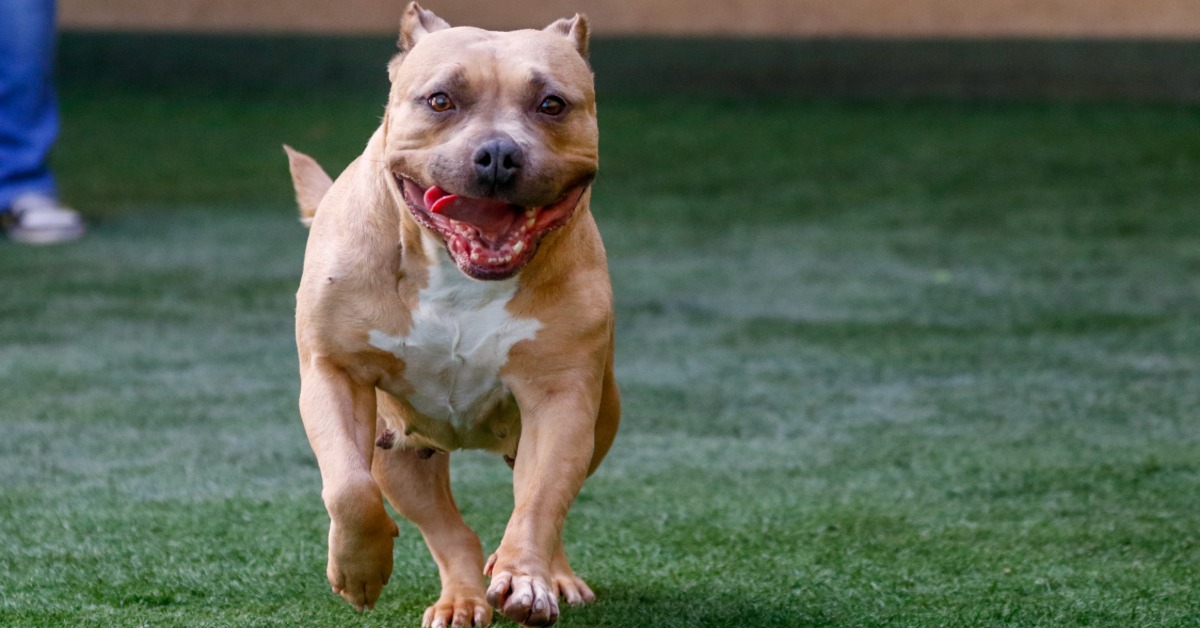
A dog park sees serious traffic. Between daily visitors, dogs roughhousing, and the general chaos that comes with off-leash spaces, natural grass gets worn down fast. Bare patches appear, the ground gets uneven, and the whole thing starts looking rough within a few months.
Artificial turf is built to absorb that kind of repeated stress without breaking down. High-traffic areas stay intact because the fibers are manufactured to resist compression and wear over time.
Maintenance Drops Dramatically
Maintaining a natural grass dog park requires consistent mowing, watering, fertilizing, and reseeding worn spots. That adds up in both time and cost.
Artificial turf removes most of that list. You’ll still want to clean the surface periodically with an enzyme cleaner to eliminate smell and brush the fibers to keep them upright, but the weekly lawn care routine disappears entirely. For a business or municipality managing a public dog park, that reduction in upkeep is a serious operational advantage.
Dogs Can’t Dig It Up
Some dogs are determined diggers. On a natural grass surface, that instinct leaves behind craters and exposed soil that become safety hazards and eyesores.
Artificial turf installs over a compacted base, which makes digging through it far more difficult. The surface stays even, and you’re not constantly filling holes or repairing torn-up patches. If a dog does manage to loosen a section, repairs are straightforward and don’t require re-growing anything.
No Fertilizers or Pesticides Needed
Keeping natural grass green and weed-free usually means applying fertilizers and pesticides on a regular schedule. In a dog park, that’s a problem because dogs are low to the ground, they roll in the grass, and some of them will lick or chew whatever they land on.
Artificial turf doesn’t need any of those treatments to stay looking good. The surface stays green without chemical inputs, which removes a layer of exposure risk for the dogs spending time there.
Drainage Keeps Odors Manageable
One of the bigger concerns with any dog park is odor buildup, especially urine. On natural grass, liquid sits near the surface and soaks into the soil, where bacteria build up over time.
Quality artificial turf has a drainage system that moves liquid through the backing quickly. Combine that with an antimicrobial infill material and routine rinsing, and the surface stays a lot fresher than compacted, saturated soil would.
The Surface Stays Consistent Year-Round
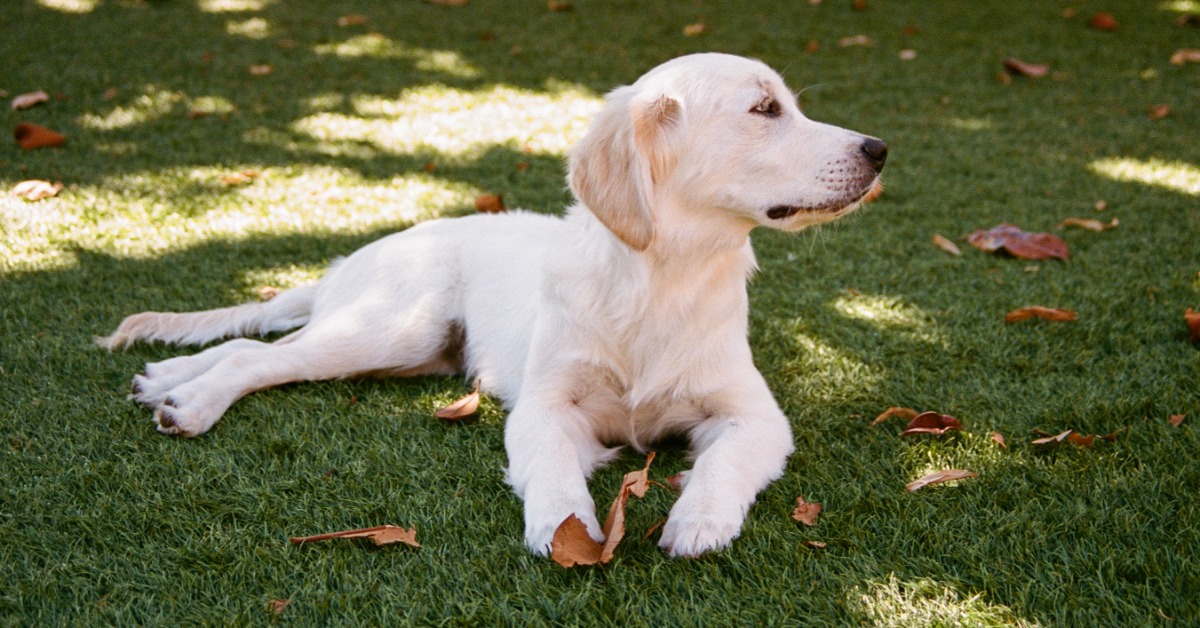
Natural grass goes dormant, turns brown, and gets muddy in winter. In summer, dry spells leave it patchy and dead in high-traffic spots.
Artificial turf looks and performs the same in July as it does in January. For a dog park that’s meant to be open and usable every month of the year, that consistency in surface quality matters for both the dogs using the space and the people managing it.
It’s a Safer Surface for Dogs
Uneven terrain, exposed roots, and patches of bare soil all create tripping and injury risks, especially for dogs running at full speed.
Artificial turf lays flat over a stable base, which keeps the surface even across the whole area. You can also choose infill materials, like crumb rubber or silica sand, that add cushioning beneath the fibers. That extra give under the surface reduces the impact on joints, which is worth noting for older dogs or breeds prone to joint issues.
Long-Term Cost Works in Your Favor
The upfront installation cost of artificial turf is higher than seeding a lawn. That’s just true. But when you factor out the ongoing costs of water, lawn care equipment, fertilizer, and constant reseeding, the math shifts over time.
Most quality artificial turf products carry warranties ranging from 10 to 15 years. Across that lifespan, the total spend on a synthetic surface often comes in lower than what you’d put into keeping natural grass alive and presentable under heavy dog park conditions.
It Cleans Up Faster After Use
After a busy weekend at a natural grass dog park, cleanup takes real effort. Waste removal, surface rinsing, and checking for damage all take longer when the ground is uneven and soft.
Artificial turf gives you a smooth, non-porous surface to work with. Solid waste lifts off cleanly, and a rinse with a hose moves liquid waste through the drainage layer. The whole process is faster, and the surface is ready for the next day without needing recovery time the way a natural lawn would.
A Surface That Pulls Its Weight
As you can see, there are a ton of benefits of artificial turf for dog parks. Compared to natural grass, artificial turf is more durable, more sanitary, and more cost-effective over time, among a long list of other advantages.
Ready to invest in the materials for your project? Stop by JUS Turf’s warehouse and shop a wide variety of artificial grass for dogs in San Diego. We have low-pile grass, high-pile grass, drainage-optimized grass, you name it. Let our expert staff help you select the right product for the space you have in mind.