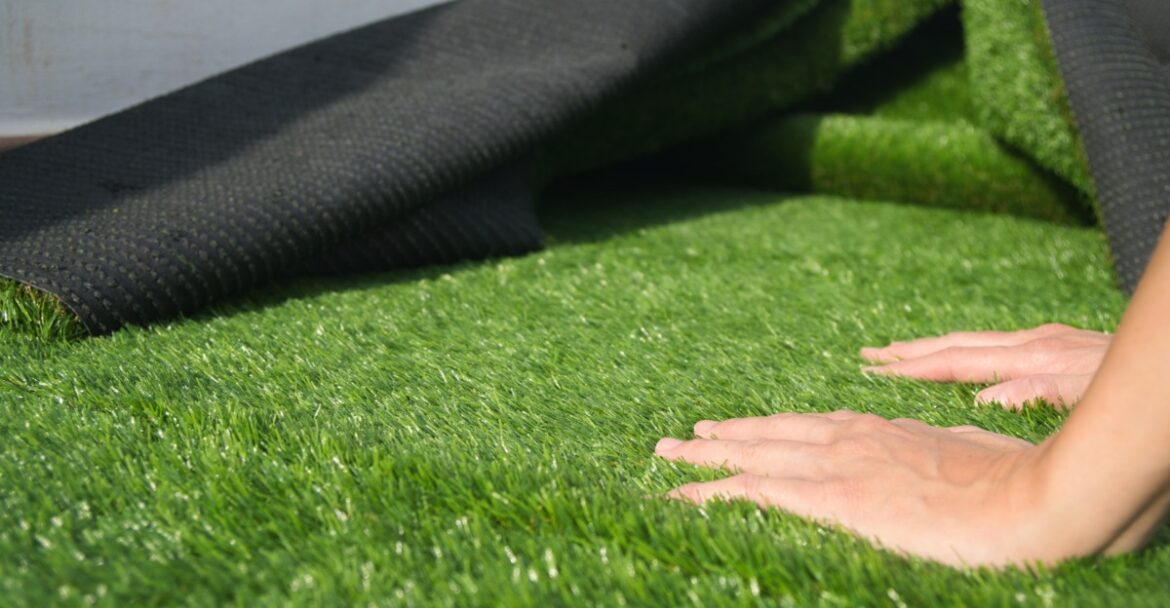
Artificial grass isn’t just for suburban lawns. It has a variety of practical applications across residential properties, commercial spaces, and everything in between. Here are some of the best uses for artificial grass—some you might already know, others might surprise you!
Front Yards That Don’t Need a Watering Schedule
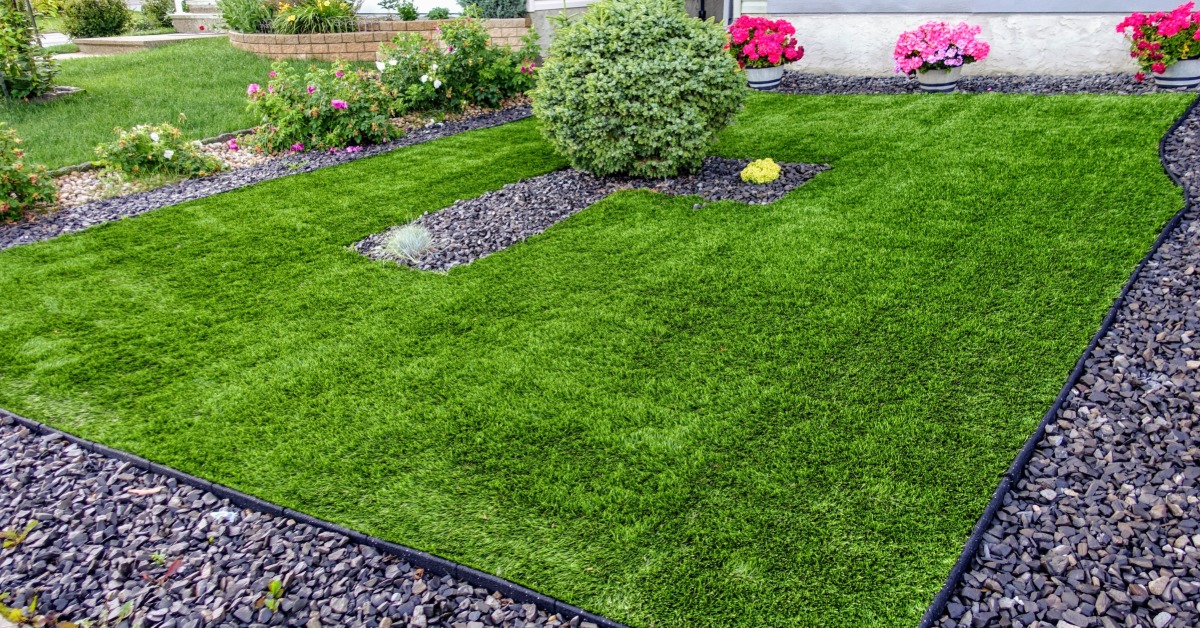
A front yard is the first thing anyone sees when they pull up to your property. Natural grass in a front yard means weekly mowing, seasonal reseeding, and brown patches every time the heat spikes or the rain disappears for a few weeks.
Artificial grass gives you a consistently green front yard without any of that maintenance. It handles sun exposure without fading quickly, and it doesn’t turn into a muddy mess after rain. If you’re in a drought-prone area like Southern California, it also keeps your water bill from climbing every summer.
Backyard Lawns for Kids and Families
Kids need space to run, and a backyard lawn takes a beating. Between foot traffic, bikes, and whatever else ends up out there, natural grass gets worn down fast in the spots that see the most use.
Artificial grass holds up to that kind of activity without developing bare patches or turning into a dirt pit. It also stays cleaner than natural grass after rain, so kids aren’t tracking mud back into the house every time they come inside. Many artificial grass products are also designed to drain quickly, so the surface dries out faster after wet weather.
Pet-Friendly Turf Areas
Dogs are hard on natural grass. They dig, they run the same paths repeatedly, and certain spots get damaged from waste over time. If you’ve ever tried to maintain a backyard lawn with a large dog, you already know how frustrating that cycle gets.
Artificial grass solves a lot of those problems. The surface doesn’t develop ruts from repeated foot traffic, and most turf products designed for pets include drainage layers that move liquid through quickly. Your dog still gets a soft surface to run on, and you’re not resodding every spring.
Rooftop Decks and Balconies
Not every outdoor space has soil underneath it. Rooftop decks and balconies are two areas where you’d never be able to grow natural grass, but artificial turf installs directly over a hard surface with the right base preparation.
A rooftop covered in turf feels warmer and more inviting than bare concrete or pavers. It also softens the look of an urban outdoor space without adding the weight or irrigation needs of planters and soil beds. If you’re designing a rooftop amenity for a commercial building, turf is one of the more practical surface options available.
Commercial Landscaping and Office Properties
First impressions carry weight for businesses. A commercial property with a patchy, uneven lawn sends a different message than one with a consistently maintained exterior.
Artificial grass removes the inconsistency from commercial landscaping. There’s no reliance on a groundskeeping crew to show up on schedule, no irrigation system to maintain, and no seasonal dips in appearance. The lawn looks the same in July as it does in November. For businesses that want a tidy exterior without ongoing landscaping contracts, turf offers a low-maintenance option.
Sports Fields and Athletic Areas
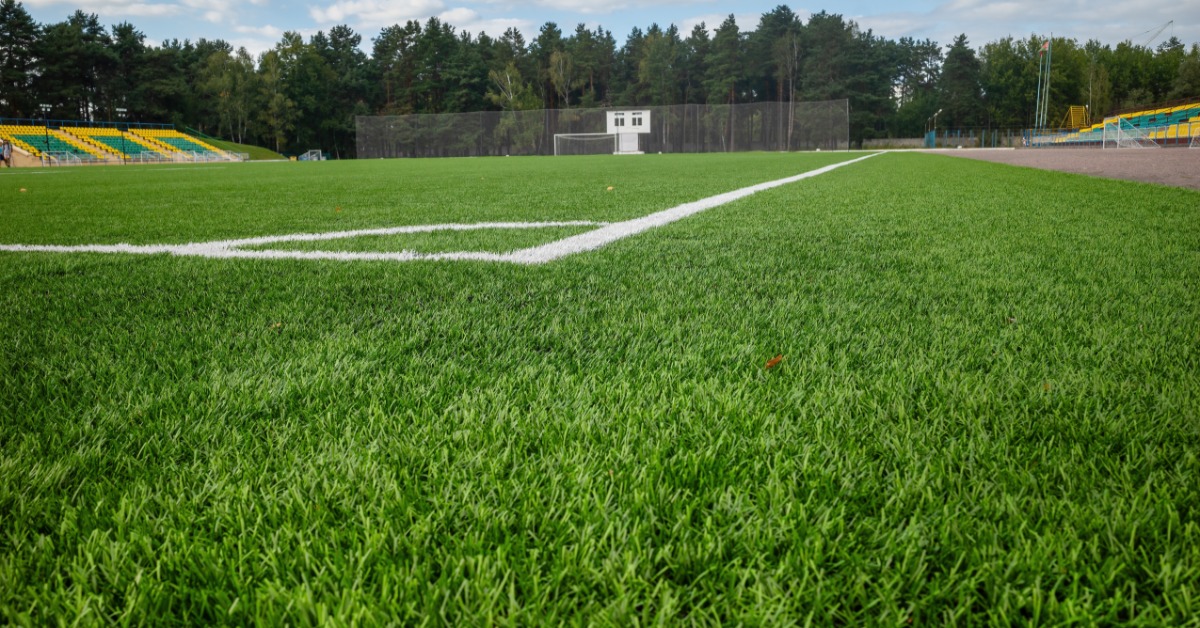
Artificial turf has been used in professional and recreational sports for decades, and the product has improved considerably since the early versions. Modern turf systems for athletic use are designed to absorb impact, support lateral movement, and drain quickly after rain so games don’t get canceled over a wet field.
Beyond professional stadiums, artificial turf works well for backyard putting greens, batting cages, multi-use recreational areas, and school athletic fields. If you’re a contractor building out a sports facility, the surface choice affects how the space performs over years of use.
Pool Surrounds
The area around a pool is one of the trickier surfaces to manage. Natural grass gets waterlogged, turns muddy, and can introduce debris into the pool water. Pavers and concrete work, but they get hot and can be rough underfoot.
Artificial turf around a pool gives you a surface that’s softer than concrete, drains quickly, and doesn’t track the same kind of debris that natural grass does. It’s also cooler underfoot than stone or pavers in direct sun, which makes the area more comfortable to walk barefoot. If you’re designing a pool deck and want a softer surface option, turf is worth a look.
Indoor Spaces and Showrooms
Artificial grass isn’t limited to outdoor use. It shows up in retail displays, gym turf lanes, trade show booths, and indoor putting greens. Any space where you want a grass-like texture without soil, sunlight, or irrigation can use artificial turf.
Indoor turf areas in gyms are common for sled pushes and agility drills because the surface creates traction without the hard resistance of rubber flooring. In retail and commercial settings, turf adds visual texture to a display without needing any upkeep between uses.
Playgrounds and Play Areas
Safety surfacing matters on a playground, and artificial turf can serve that function when it’s installed with the right infill and padding beneath it. JUS Turf offers a 2-inch playground shock pad that can be installed over hard-packed ground or concrete and is designed to provide fall protection from heights of 8 to 10 feet. Punched drain holes let water pass through the padding instead of collecting underneath the turf. The surface stays consistent regardless of weather, so there’s no loose gravel to scatter or wood chips to decompose over time.
Turf on a playground also stays cleaner than dirt or natural grass alternatives. If you’re outfitting a daycare, school, or residential play area, artificial turf gives you a surface that’s safe, holds up to heavy use, and cleans up with minimal effort.
Slopes and Hard-to-Mow Areas
Every property has at least one spot that’s annoying to maintain. Steep slopes, narrow side yards, and areas under dense tree cover are hard for natural grass to survive in, and even harder to mow safely.
Artificial turf stays in place on a slope without needing sunlight to thrive. Once it’s installed, there’s no mowing equipment to navigate on an incline. If a corner of your property is constantly giving you trouble with patchy grass or erosion, turf is a direct fix.
Drought-Tolerant Landscaping Projects
Water restrictions are a constraint in many parts of the country, especially across the Southwest. Natural grass is one of the largest residential water consumers, and keeping it green through a dry season gets expensive fast.
Artificial grass eliminates irrigation from your landscaping entirely. At JUS Turf, this comes up often with homeowners and contractors in San Diego who are navigating local water restrictions. Replacing natural grass with turf keeps the yard looking green without drawing from a limited water supply.
Find The Right Turf for the Space
The best uses for artificial grass are more varied than most people expect. Artificial grass works in any situation where natural grass doesn’t grow, doesn’t hold up, doesn’t provide a safe or practical surface, or is just too much work to maintain.
At JUS Turf, you can shop wholesale turf from our San Diego warehouse. Bring your measurements and talk through your home or business project with our team. Their product knowledge can guide you toward turf that fits the space and the way you plan to use it.